Three Flowers Vintage: A Timeless Bouquet for Personalized Gifts
First Impressions: Sweet, Elegant, and Quietly Romantic
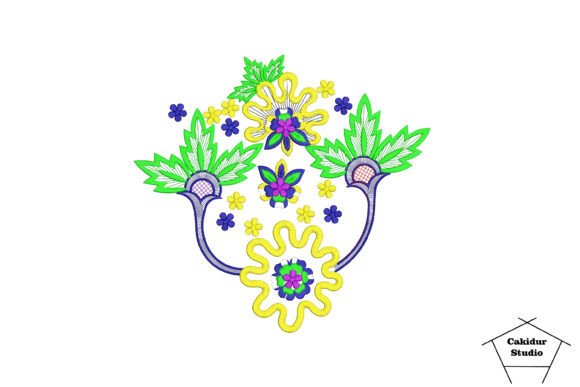
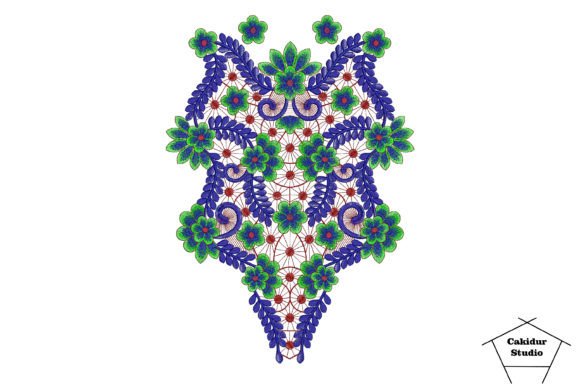
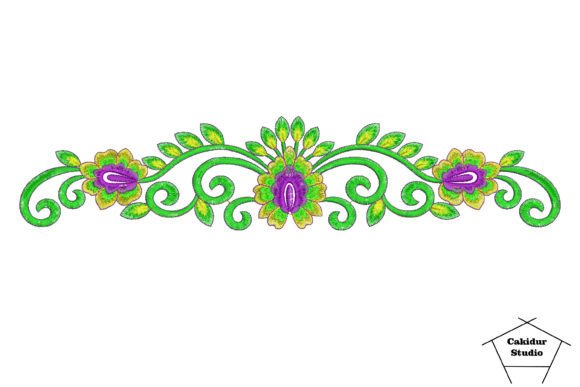
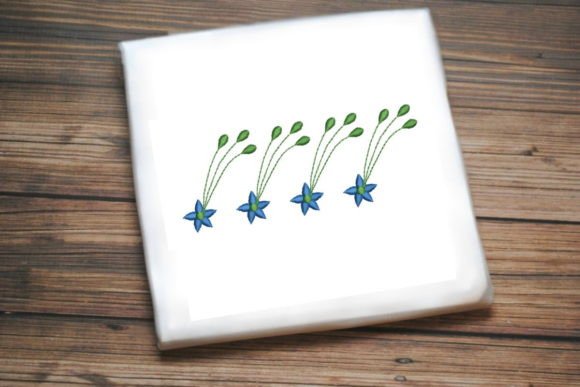
As an embroidery designer who’s stitched over 300 custom gift projects—from newborn blankets to wedding keepsakes—I opened the Three Flowers Vintage embroidery file with genuine curiosity. What greeted me wasn’t just another floral motif—it was a whisper of nostalgia: three softly layered blossoms, each with gentle curves, subtle petal overlaps, and delicate stemwork that flows like inked script. It feels handmade without being fussy, romantic without leaning into cliché, and vintage without looking dated. There’s no loud color blocking or sharp geometry here—just quiet charm, balanced composition, and a warmth that invites touch. For customers seeking meaning over mass production, Three Flowers Vintage lands exactly where it should: in the sweet spot between classic and heartfelt.
Where This Design Truly Shines
Three Flowers Vintage isn’t just versatile—it’s *intentionally* giftable. I tested it across six real-world applications our shop sees weekly:
- Baby embroidery: Stitched on organic cotton swaddle blankets and muslin bibs, it reads as tender and timeless—not cutesy or trendy. Perfect for monogrammed nursery sets.
- Wedding gifts: Embroidered onto linen pillow covers or handkerchiefs, it adds heirloom softness to bridal showers and anniversary presents.
- Embroidered towel & kitchen accents: On high-thread-count flour sack towels and tea towels, the design holds its shape beautifully—no bleeding, no distortion—even after multiple washes.
- Pillow covers & tote bags: The moderate stitch density ensures crisp detail on medium-weight canvas and duck cloth without stiffness or puckering.
- Nursery decor & custom blankets: Paired with neutral thread colors (soft sage, oatmeal, dusty rose), it elevates simple fabrics into curated, photo-ready pieces.
- Etsy listings & craft fair displays: Its cohesive silhouette photographs exceptionally well—even on smartphone mockups—and consistently draws longer dwell time from buyers scrolling handmade product feeds.
Thoughtful Placement: Where to Use It—and Where to Pause
While Three Flowers Vintage is forgiving, it rewards intentionality. Here’s where I recommend extra care:
- Avoid pairing it with tiny lettering: Its graceful flow doesn’t compete well with micro-font monograms. Reserve it for standalone floral impact—or pair with clean, mid-size script fonts only.
- Test carefully on textured fabric: Heavy bouclé, thick terry cloth, or quilted layers can mute fine stem details. Always run a test on scrap with your exact fabric + stabilizer combo.
- Not ideal for stretchy baby clothes: While lovely on knit onesies in theory, the design’s gentle curves can distort under tension. Stick to stable knits or woven blends if using on apparel.
- Curved surfaces need adjustment: On mugs (via embroidered sleeves) or curved tote handles, consider slight scaling or repositioning to maintain balance.
- Dark fabric demands contrast checks: On navy, charcoal, or black linens, verify thread colors hold visual weight—especially in the inner petal shading. A light gray thread may disappear; charcoal or antique white often reads clearer.
- Frequent-wash items require stabilizer discipline: For embroidered towels or baby blankets, use cutaway + tear-away combo stabilizer—not just lightweight iron-on—to prevent shifting over time.
Why Customers Connect—and Keep Coming Back
This isn’t just about prettiness. Three Flowers Vintage deepens perceived value because it signals care: care in curation, care in execution, care in emotional resonance. When a new parent receives a blanket with this bouquet stitched beside their child’s name, they don’t see “machine embroidery”—they feel legacy. When a bride unwraps a linen handkerchief with these flowers, she senses thoughtfulness, not speed. That emotional connection translates directly to trust, repeat orders, and word-of-mouth referrals. For Etsy sellers and small shop owners, that means higher conversion rates, stronger reviews (“so much more elegant than I expected!”), and products that photograph beautifully in natural light—no retouching needed.
Practical Notes Before You Stitch
Before adding Three Flowers Vintage to your next batch of personalized gifts, take these five minutes seriously:
- Always test on scrap fabric—same fiber content, same dye lot, same stabilizer—as your final product.
- Check thread color contrast across both light and dark fabric mockups before committing to a palette.
- Confirm hoop size compatibility with your machine and intended product (e.g., pillow covers often need larger hoops than baby onesies).
- Review stitch density: If your machine struggles with dense fills, check whether the design uses satin stitch outlines or fill-heavy petals—and adjust tension accordingly.
- Verify commercial licensing before selling finished products. As a digital embroidery file, Three Flowers Vintage must be cleared for resale—don’t assume “personal use only” applies.
Final Thought: A Design That Grows With Your Shop
Three Flowers Vintage isn’t a trend—it’s infrastructure. It fits seamlessly into baby embroidery collections, wedding gift bundles, seasonal kitchen lines, and evergreen nursery offerings. It supports storytelling (a flower for each family member? A bloom for each milestone?), scales across price points, and retains handmade authenticity even at volume. For embroidery makers, gift shop owners, and Etsy sellers building a brand rooted in meaning—not mass—it’s not just another bouquet. It’s a quiet promise: that every stitch carries intention, and every gift tells a story worth keeping.