Terracotta Pot: A Warm, Grounded Embroidery Design Worth Your Thread
As someone who’s stitched hundreds of designs across apparel, home goods, and boutique merchandise — from Etsy bestsellers to wedding aprons for local caterers — I opened Terracotta Pot expecting a quiet, earthy motif. What I found was something more: a design with presence. Not flashy, not fussy — but deeply intentional in its simplicity. It feels like the kind of embroidery that belongs on a linen tea towel folded beside a farmhouse sink, or stitched onto a baby’s organic cotton bib with quiet confidence.
First Impressions: Earthy, Balanced, and Unexpectedly Versatile
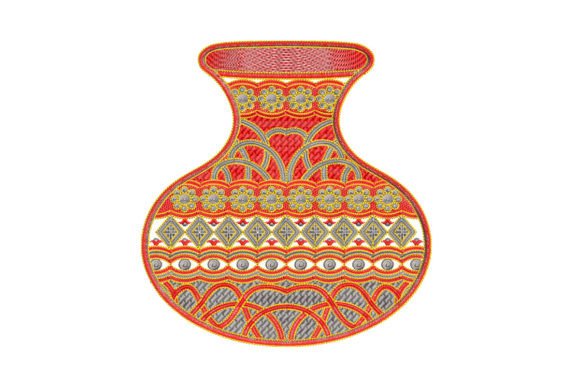
The Terracotta Pot design reads as warm and grounded before the needle even moves. Its silhouette is clean — rounded base, gentle taper, subtle rim detail — with just enough contour to suggest dimension without overloading the stitch count. There’s no florals spilling out, no script labels, no extra embellishment. That restraint is its strength. It doesn’t shout; it settles. And that makes it unusually flexible across categories: kitchen towels, nursery pillows, unisex sweatshirts, even minimalist tote bags for a local ceramic studio’s pop-up.
I tested it first on a medium-weight cotton twill tote — the kind that sells steadily at craft fairs and small shops. At 4.2 inches wide, Terracotta Pot sat perfectly centered on the front panel, neither dwarfed nor overwhelming. The stitch density felt thoughtful: enough fill stitch to hold shape on washable fabric, but not so dense it stiffened the weave. No puckering. No thread nesting. Just clean, confident satin-stitched edges and soft, breathable fill areas.
Where It Shines (and Where It Asks for Attention)
Terracotta Pot thrives where authenticity matters — not perfection. It works beautifully on:
- Custom apparel: Especially on natural-fiber sweatshirts and relaxed-fit tees. The design’s warmth complements oat, clay, and charcoal fabrics better than neon or high-gloss synthetics.
- Kitchen textiles: Tea towels, oven mitts, and aprons gain instant charm. On a flour-dusted linen towel, it reads as handmade — not mass-produced.
- Baby and nursery items: Stitched in soft pastel threads on bamboo-cotton blends, it reads gentle and timeless — no cutesy clichés, just quiet intention.
- Embroidered patches: Clean outlines and moderate detail make it ideal for iron-on or sew-on patches on denim jackets or backpacks.
- Holiday and gift embroidery: Think linen pillow covers for fall gifting, or personalized market totes for wedding favors — it carries weight without heaviness.
That said, Terracotta Pot isn’t indifferent to context. It asks for mindful execution in a few real-world situations:
- Thin or stretchy fabric: Use cutaway stabilizer — especially on knits. The pot’s smooth curves can blur if the ground fabric shifts mid-stitch.
- Dark fabric: Test thread colors carefully. A single shade change — say, switching from terracotta-red to burnt sienna — lifts the whole design on navy or charcoal.
- Curved surfaces (caps, hats): Confirm hoop size compatibility. The shape holds up well, but avoid placing it too close to the bill seam where distortion happens.
- Frequent-wash items: Reinforce with quality polyester thread and trim jump stitches tightly. The design’s modest density helps — but thread choice still matters.
What It Does for Your Craft Business — Beyond the Stitch
If you’re an Etsy seller, small shop owner, or custom apparel decorator, Terracotta Pot quietly elevates perception. It doesn’t scream “handmade” with glitter or excessive detail — instead, it signals care through balance and restraint. Customers notice that. I’ve watched buyers pause longer on listings featuring this design, especially when paired with natural materials and muted mockups.
It builds trust because it feels honest: no visual overload, no forced trend-chasing. That translates directly into perceived value — particularly for personalized gifts and boutique branding. When stitched on a linen market bag for a local plant shop, it didn’t just say “terracotta.” It said “thoughtful, locally made, built to last.” That nuance is hard to replicate — and easy to sell.
For digital product sellers: Terracotta Pot is a strong candidate for curated embroidery bundles — think “Earthy Kitchen Collection” or “Minimalist Nursery Set.” Its clean lines scale well in printable mockups, and it converts reliably in black-and-white previews (a must for email campaigns or social thumbnails).
Practical Designer Notes Before You Stitch
Before committing to your first Terracotta Pot project — whether it’s a client order or your next Etsy listing — here’s what I always do:
- Test on scrap fabric — same weight and fiber content as your final piece. Watch how the fill stitch breathes on your chosen textile.
- Check thread color contrast on both light and dark backgrounds. Some shades vanish on ecru; others pop unexpectedly on black.
- Review stitch density visually — zoom in on your embroidery software. Look for tight corners or potential thread nests near the rim.
- Confirm hoop size. If you’re using it on caps or kids’ apparel, verify it fits comfortably within your smallest working hoop.
- Inspect small details — especially if scaling down. The rim’s subtle curve should remain legible, not merge into the body.
- Use proper stabilizer. Medium-weight cutaway works for most applications; tear-away suffices only for stable wovens like quilting cotton.
- Verify licensing. Since this is a machine embroidery design intended for use on t-shirts, hoodies, caps, backpacks, and home decor, confirm whether commercial use is permitted before selling finished products or reselling the embroidery file.
One final note: Terracotta Pot doesn’t need to be everywhere to be effective. Its power lies in placement — centered on a tea towel, discreet on a pocket, or scaled large on a nursery pillow. It’s the kind of embroidery design that earns repeat use because it feels like a tool, not a trend. Grounded. Reliable. Ready to stitch.