Dancing Skeletons: A Craft Fair Embroidery Winner
First Impression: Playful, Polished, and Instantly Recognizable
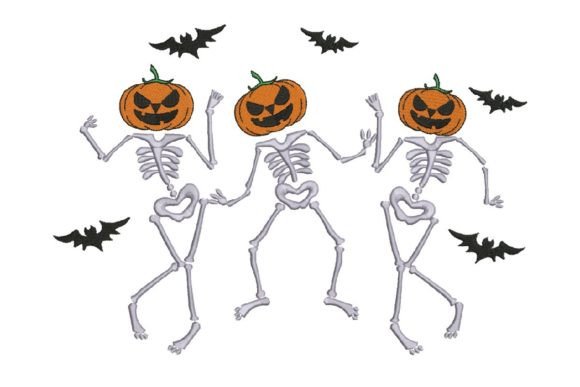
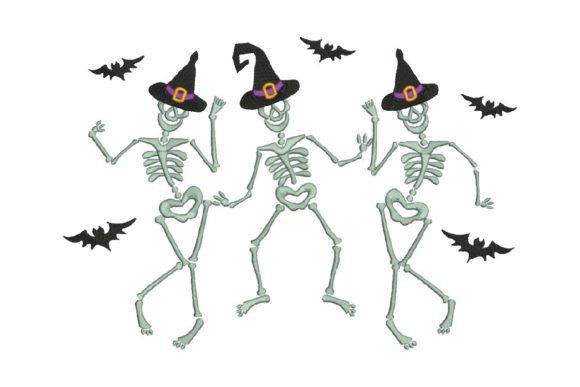
As an embroidery designer who’s prepped over 200 craft fair booths—from Portland bazaars to Nashville maker markets—I opened Dancing Skeletons expecting whimsy. What I got was something sharper: a design that balances cheeky Halloween energy with refined execution. It doesn’t lean into spooky cliché or cutesy overload. Instead, it reads as bold *and* elegant—fluid lines, confident negative space, and rhythmic movement that translates beautifully whether stitched in matte black thread on ivory linen or vibrant neon on charcoal denim. That duality is gold for handmade sellers: it appeals to teens browsing for a statement cap *and* to boutique owners curating giftable pillow covers for autumn tables.
Where Dancing Skeletons Shines On Real Craft Fair Products
This isn’t just another machine embroidery design—it’s a booth magnet when applied thoughtfully. Here’s where it delivers strongest:
- Tote bag design: Centered on a natural canvas tote (10”–12” wide), Dancing Skeletons becomes a conversation starter—visible from three feet away, legible at arm’s length, and stylish enough to double as everyday carry.
- Apron embroidery: Positioned just above the pocket on a medium-weight cotton apron, it adds personality without overwhelming utility. Customers love functional items with charm—and this delivers both.
- Tea towel embroidery: On a tightly woven, low-lint linen tea towel, the clean outlines hold crispness even after repeated washing. Avoid overly textured terry cloth; stick to smooth weaves for clarity.
- Embroidered patch: Sized at 3”–4”, Dancing Skeletons works flawlessly as a sew-on or iron-on patch—ideal for Etsy sellers bundling with denim jackets or backpacks.
- Pillow cover & small pouch: At 5”–6”, it anchors a neutral linen pillow or drawstring fabric pouch without competing with patterned backgrounds. Its balanced proportions prevent visual crowding.
What Makes It Sell—Beyond the Stitch
At a crowded craft fair, attention spans are short and decisions are emotional. Dancing Skeletons wins because it’s instantly readable: no squinting, no decoding. It scales well—from subtle 2.5” accents on a child’s cap to a dramatic 7” focal point on a market bag. Photographs exceptionally for Etsy listings and Instagram posts: high contrast, strong silhouette, and natural rhythm make it pop in thumbnail grids. For batch production? It’s highly repeatable. Minimal tiny details mean fewer thread breaks, consistent stitch density across runs, and reliable hoop alignment—even for newer embroiderers managing their first commercial embroidery setup.
Careful-Use Notes Every Designer Should Check
Don’t skip testing—especially with these variables:
- Fabric texture matters: Dense stitch areas may blur on thick terry towels or heavily napped fleece. Opt for smooth cotton, linen, or midweight twill instead.
- Curved surfaces demand precision: On caps, verify hoop size compatibility and use tear-away + cutaway stabilizer combo to prevent puckering around the dome.
- Dark fabric = contrast check: Test thread colors on your actual base fabric—not just white swatches. Metallic or light gray threads often lift better than stark white on charcoal or navy.
- Small sizes lose nuance: Below 2”, delicate limb articulation or joint definition softens. Reserve sub-2” uses for patches only if the file includes simplified variants.
Design Impact: Booth Presence, Brand Lift, and Buyer Connection
In person, Dancing Skeletons elevates perceived value. It signals craftsmanship—not just “handmade,” but *thoughtfully made*. When displayed alongside plain monogrammed items, it draws eyes, invites touch, and sparks smiles. That emotional hook increases dwell time at your booth and raises average order value. For Etsy sellers, it strengthens brand consistency across listings: same design on a tea towel, a pouch, and a cap creates a cohesive collection—making cross-selling effortless. And because it’s rooted in Halloween but executed with timeless line work, it avoids seasonal expiration. You can list it year-round as “festive,” “playful,” or “modern folk”—extending its shelf life far beyond October.
Practical Embroidery Designer Notes Before You Cut Fabric
Before stitching your first craft fair product, do this:
- Run a test on scrap fabric matching your final product’s weight and weave.
- Check thread contrast—especially if using variegated or tonal threads.
- Review spacing between elements: tight loops or overlapping limbs need extra stabilizer support.
- Confirm hoop size compatibility—some versions may require 5x7” or larger.
- Inspect stitch density in joints and curves; adjust underlay if needed for stability.
- Use appropriate stabilizer: cutaway for stretch knits, tear-away for stable wovens, fusible for lightweight linens.
- Create at least one real mockup—not just a printable mockup—to assess drape, scale, and tactile impact.
- Compare how it reads across 3–4 fabric colors (ivory, charcoal, olive, rust) before committing to inventory.
- Verify commercial licensing terms—this is essential for selling finished products, not just the digital embroidery file.
Dancing Skeletons isn’t just another Halloween embroidery file. It’s a versatile, crowd-tested, production-smart asset for makers who sell experience, not just objects. When stitched with intention, it transforms simple fabric into memorable handmade product—whether it’s a $28 embroidered tote at a local fair or a curated gift set on Etsy. Get the details right, test early, and let the rhythm of those dancing bones do the talking.