Bright Green One Line Flower
First Impressions: A Breath of Fresh, Confident Simplicity
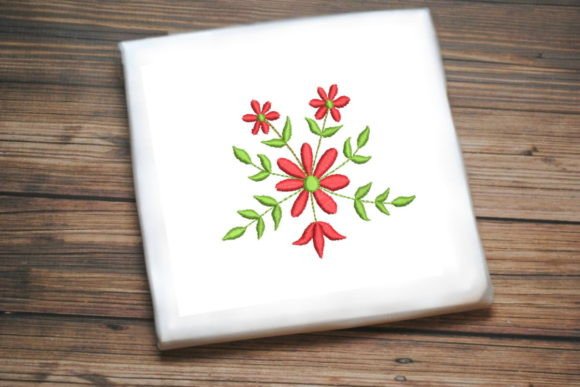
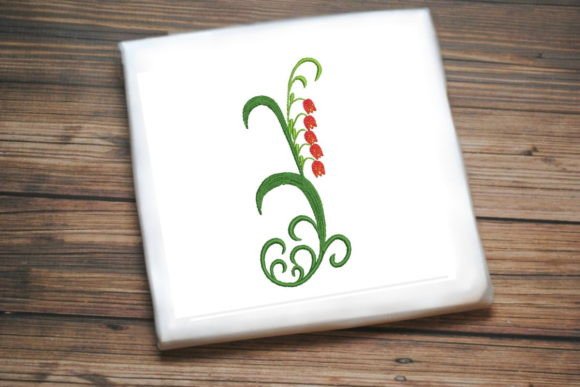
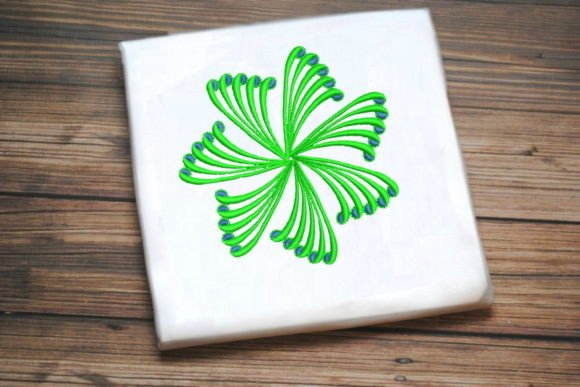
When I opened Bright Green One Line Flower, I didn’t see clutter—I saw clarity. It’s not a botanical illustration or a fussy bouquet; it’s one continuous, fluid line that loops and curls into a recognizable bloom with quiet confidence. The mood is calm but lively—like morning light on new growth. There’s no fill stitch bulk, no satin-stitch sheen demanding attention. Just clean motion, balanced negative space, and that unmistakable bright green thread color suggestion (though you’re free to reinterpret it in navy, rust, or charcoal). As a designer who’s stitched hundreds of floral motifs, I immediately knew this wasn’t for maximalist wall hangings—it was made for subtle storytelling on everyday objects.
Real-World Test: Stitching It Onto a Linen-Cotton Tote Bag
Last week, I used Bright Green One Line Flower on a natural linen-cotton tote for a local boutique’s spring launch. No applique, no backing fabric—just the design stitched directly onto the front panel, 3.2" wide, centered just below the strap seam. The result? Instant elevation. Customers paused mid-aisle—not because it shouted, but because it felt intentional. Handmade, yes—but also *designed*. That’s the quiet power of a strong single-line motif: it reads as both personal and professional. For Etsy sellers or small shop owners, this is gold. It adds signature charm without overwhelming your brand voice—or your customer’s eye.
Where It Shines (and Where to Pause)
Bright Green One Line Flower thrives where subtlety matters:
- Custom apparel: Works beautifully on lightweight sweatshirts and structured tees—especially near cuffs, hems, or chest pockets.
- Embroidered patches: Clean lines translate crisply when digitized for iron-on or sew-on patch production.
- Baby embroidery: Its gentle curve and open shape avoid visual “heaviness” on onesies and burp cloths.
- Kitchen textiles: On tea towels or aprons, it reads clearly even after repeated washing—no dense fill areas to pill or blur.
- Holiday or wedding gifts: Stitched in sage or olive on ivory linen napkins or ceramic mug wraps, it feels seasonal without being literal.
But be thoughtful in these situations:
- Stretchy fabric: Requires light cutaway stabilizer—running stitch alone won’t hold the line true on knits.
- Curved surfaces like caps: May need slight manual adjustment to maintain flow across the crown; test first.
- Dark or textured fabrics: While elegant on light backgrounds, ensure your bright green thread has enough contrast—test on scrap with your exact fabric and lighting.
- Tiny hoop sizes under 4": Still viable, but avoid shrinking below 2.5"—fine curves may lose definition.
What It Adds to Your Finished Product—Beyond Pretty
This isn’t just decoration. Bright Green One Line Flower subtly lifts perceived value. On a handmade pillow cover, it signals care—not just stitching, but curation. For craft business owners, it strengthens brand consistency: use it across packaging tags, tote bags, and social mockups, and customers begin recognizing your visual rhythm. As an embroidery designer, I’ve watched clients trust a maker more when their work balances simplicity and skill—and this design delivers exactly that balance. It doesn’t distract from the product; it honors it. And for holiday or personalized gifts? That single, confident line feels like a quiet “I chose this *for you*.”
Practical Designer Notes Before You Stitch
Before adding Bright Green One Line Flower to your next embroidery project—or listing it in your digital embroidery file shop—here’s what I do every time:
- Test on scrap fabric using your exact stabilizer combo—especially if working with blends or eco fabrics.
- Check thread color contrast in natural light *and* under warm indoor bulbs—green can shift dramatically.
- Review stitch density: Since it’s a single-line design, there shouldn’t be heavy overlap—but confirm no unintended double-runs in tight curves.
- Confirm hoop size compatibility with your machine—some single-line files optimize better for 5x7" than 4x4".
- Inspect small details at 200% zoom: does the stem taper cleanly? Does the bloom’s terminal loop close without jaggedness?
- Test black-and-white mockups: If you plan printable mockups for Etsy or client previews, ensure legibility without color.
- Compare light vs. dark backgrounds: What reads softly on oatmeal linen may vanish on charcoal denim.
- Verify commercial use rights: Since this is marketed as a machine embroidery design for real project use, confirm licensing terms before selling finished embroidered goods or reselling the digital embroidery file.
Final Thought: Less Is Anchored, Not Empty
Many designers chase complexity—layers, textures, dimension. But Bright Green One Line Flower reminds me why restraint works: it leaves room for the fabric, the wearer, the moment. It’s not filler. It’s punctuation. Whether you’re stitching a baby’s first bib, branding a small shop’s reusable bag, or building a cohesive set of holiday embroidery projects, this design earns its place—not by shouting, but by settling in with quiet authority. For crafters, Etsy sellers, and creative entrepreneurs who value intention over ornament, Bright Green One Line Flower isn’t just another floral motif. It’s a reliable note in your design vocabulary—one you’ll reach for again and again.